
🚚 FREE DELIVERY IN UKRAINE • 📞 QUICK ORDER: +380 63 571 3650 • 📚 STEM KITS FOR HOME, SCHOOL AND CLUBS
🚚 FREE DELIVERY IN UKRAINE • 📞 QUICK ORDER: +380 63 571 3650 • 📚 STEM KITS FOR HOME, SCHOOL AND CLUBS
🚚 FREE DELIVERY IN UKRAINE • 📞 QUICK ORDER: +380 63 571 3650 • 📚 STEM KITS FOR HOME, SCHOOL AND CLUBS

Egg in Vinegar Experiment for Kids
The "egg in vinegar" experiment, also known as the "rubber egg" or the "naked egg" experiment, is
The Egg in Vinegar Experiment, also known as the Rubber Egg or the Naked Egg Experiment, is a classic science activity for kids. It’s easy to do as it only requires a couple of items that you already have around the house.
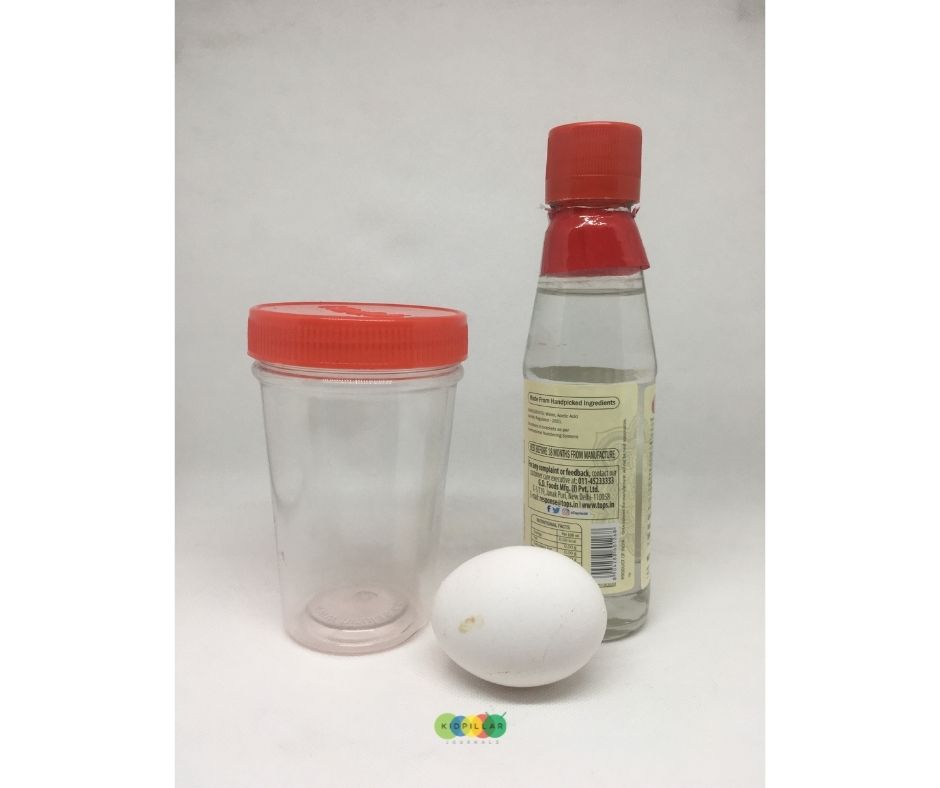
The Egg in Vinegar Experiment is sure to get your kids interested in learning the science behind this amazing effect!
- Experiment “Egg in vinegar”
- What happens when you put an egg in vinegar?
- Results of the “Rubber Egg” Experiment
- The study of naked eggs
- Do naked eggs smell?
- Can you eat naked eggs?
An experiment with an egg in vinegar
As the name of the experiment suggests, raw eggs and vinegar are the main ingredients for this fun science experiment.
In addition, you will also be able to:
- A small glass jar or flask
- Food coloring – optional
How to conduct an experiment with a naked egg:
Step 1: Take a clean glass jar and carefully place a raw egg in it.
Step 2: Carefully add the vinegar to the jar so that there is enough vinegar to submerge the raw egg completely in the vinegar.
Step 3: Optional – add a little food coloring to the cup for added effect.
Step 4: Leave the egg in the vinegar for 48 hours, that is 2 days.
Make sure you leave the egg and vinegar cup out of the reach of pets, kids, etc. so it doesn’t tip over and make a mess around the house.
During days 1 and 2, encourage your children to observe the changes taking place inside the cup. You can even have them write down some details like:
- Egg color
- Weight of the cup at 6-hour intervals
- Any other conversions
Step 5: After about 24 hours, you will see a layer of foam on top of the vinegar. The remaining liquid is mostly water. Drain this water and replace it with fresh vinegar.
If you used food coloring, you will need to add it back to the fresh vinegar. Substituting the vinegar is important for making naked eggs because you need to make sure there is enough acid to react with the eggshell to completely dissolve it.
Step 6: After 48 hours, carefully remove the egg from the vinegar and gently rinse it with water to remove any residue on its surface.
You will notice that the eggshell has completely dissolved in the vinegar, leaving behind the egg white and albumen. yolk surrounded by a thin membrane.
Let your kids pick up the naked egg and explore it in any way they like.
What is the feeling of touch? What does it smell like? Did it get bigger or smaller or stay the same size?
Give the children a magnifying glass and a flashlight to further investigate the subtle changes in the naked egg.
It is very likely that they will be amazed and shocked when they see the transformation that the egg has undergone.
Looks like: Now that you’ve made the rubber eggs, take it a step further and create the Elephant Toothpaste.
What happens when you put an egg in vinegar?
During this experiment, two actions take place:
1. Chemical reaction between acetic acid and calcium carbonate
Eggshells are made up of calcium carbonate, which is also the main substance you’ll find in the chalk used on blackboards. Vinegar is a solution of a weak acid known as acetic acid.
The calcium carbonate in the eggshell reacts with the acid in the vinegar to form carbon dioxide. This reaction slowly “eats away” the eggshell until the vinegar has completely reacted with the eggshell.
Technically, this is happening.
Eggshell (calcium carbonate) + vinegar (acetic acid) → Floating foam + liquid water + carbon dioxide bubbles
Here is the chemical equation for the chemical reaction that takes place:
CaCO3 + 2 HC2H3O2 → Ca(C2H3O2)2 + H2O + CO2
2. Osmosis
During the reaction with the eggshell, the inner membrane of the egg is exposed to the solution.
The inner membrane of the egg is selectively permeable. This means that it can allow certain molecules, such as water, to pass through it. The water produced during the chemical reaction is gradually moved into the egg by a process called osmosis.
If you do the optional step of adding food coloring to the solution, the dye molecules will also move across the membrane along with the water molecules inside the egg.
Osmosis also causes the egg to enlarge and enlarge.
Results of The Rubber Egg Experiment
If your naked egg experiment went according to plan, you should see the following results:
1. A few minutes after the raw egg is placed in the vinegar, you will begin to see bubbles forming around the eggshell. This is carbon dioxide, which is formed as a result of the reaction between the vinegar and the eggshell!
This bubbling can be observed as soon as a chemical reaction occurs and is a clear indication that the reaction has begun.
Related: These Baking Soda and Vinegar Bubble Experiments for Kids are also fun. Try them!
2. Day 1. You should notice a clear difference in the surface of the egg and the thick layer of foam on the vinegar.
This is the time when you replace the vinegar with fresh. If you were to add the dye to the vinegar, you would see that the egg would also change to that color.
The kids will be interested in pulling out and pushing in the egg, so you may have to convince them to be patient for another day.
You can also try engaging their brains in a fun side activity by asking them to observe the size of the egg – has it gotten bigger or smaller?
Ask them. predict what will happen to the egg when it is finally retrieved after 48 hours.
3. Day 2. At this stage, the eggshell will disappear and the raw egg will turn into a rubbery egg.
When your kids get the egg, they will see that it is rubbery and soft. Don’t be fooled by the fact that the egg is soft and rubbery through and through.
The membrane of the egg is quite thin and fragile, so the naked egg should be handled with care. If you squeeze the rubber egg too hard, it will crack and spill the egg yolk and egg white.
Before you let the kids take the jumping egg, it’s best to make sure you choose a place that’s easy to clean.
Related: Set up a handy science lab at home for kids to experiment and explore freely to help them. to learn
The study of naked eggs
It’s time to look inside and show what goes on inside the naked egg!
When exploring a jumping egg (or a bare egg), children will undoubtedly make mistakes, and that’s when the real learning happens.
Quick Tip: Don’t forget to add some humor with Silly Egg Jokes for Kids.
If you have sufficient resources at home, it would be ideal to prepare a few naked eggs for experimental purposes.
Try some of these tests to test for naked eggs:
1. Examine the different parts of the egg
Cut the egg into a flat dish to reveal the parts of the egg. Ask the children to see the water that has been absorbed. You will also be able to see the egg’s rubbery shell in the dish.
If you dye an egg, you will see that the egg white is dyed with food coloring, not the egg yolk. Can you guess why?
This is through osmosis. The egg membrane allowed the dye to pass through it into the egg white, making it the color of food coloring.
However, the egg yolk is surrounded by a special membrane that does not allow the dye to pass through it into the yolk.
2. Bury a naked egg in salt
This will lead to osmosis again, but this time in the reverse direction. That is, from the inside of the egg to the outside.
Simply bury a rubber egg in salt for a few hours. After a few hours, carefully remove the egg. You will see how the egg has shrunk.
Give them a quiz and ask them what they think will happen if they replace the salt with corn syrup and put a naked egg in the corn syrup.
Or have your children predict what will happen if you put it back in the glass of water.
Hint: osmosis will happen again and water will enter the egg!
3. Place the naked egg in alcohol
If you want your mind blown, you should put a naked egg in an alcohol solution like ethanol. Ethanol will seep through the egg membrane and react with the egg proteins inside.
He will literally boil an egg! After a few hours, cut it open and see for yourself. Make sure children do this under adult supervision, as alcohol is a flammable substance.
Do naked eggs smell?
The simple answer is no! Naked eggs do not smell and do not emit an odor that can cause discomfort. However, if you break the rubber eggs, they smell like regular eggs.
Can you eat naked eggs?
We do not recommend eating raw eggs for two reasons. First, it is not recommended to eat raw eggs. Raw and undercooked eggs can contain salmonella, a type of harmful bacteria that can cause food poisoning.
Second, the amount of vinegar the egg has absorbed during the process will make the rubber egg pretty disgusting to eat. Therefore, it is best to leave these rubber eggs for experiments and not eat them.
The last word…
Experiments are a great way to get kids excited about science. Your children will benefit greatly if they start developing critical thinking skills at an early age.
If you think that you need sophisticated equipment and chemicals to conduct science experiments for children, this is a myth. Egg in vinegar is a great example. Now make your own jumping eggs and see if the rubber egg experiment really works!