
🚚 FREE DELIVERY IN UKRAINE • 📞 QUICK ORDER: +380 63 571 3650 • 📚 STEM KITS FOR HOME, SCHOOL AND CLUBS
🚚 FREE DELIVERY IN UKRAINE • 📞 QUICK ORDER: +380 63 571 3650 • 📚 STEM KITS FOR HOME, SCHOOL AND CLUBS
🚚 FREE DELIVERY IN UKRAINE • 📞 QUICK ORDER: +380 63 571 3650 • 📚 STEM KITS FOR HOME, SCHOOL AND CLUBS

Oreo Moon Phases for Kids with Free Printable
Kids learn faster with hands-on activities, and edible fun STEM activities are even better! One such delicious STEM project for kids is
Kids learn faster with hands-on activities, and tasty STEM activities are just great! One such delicious STEM project for kids is the Phases of the Moon with Oreo activity!
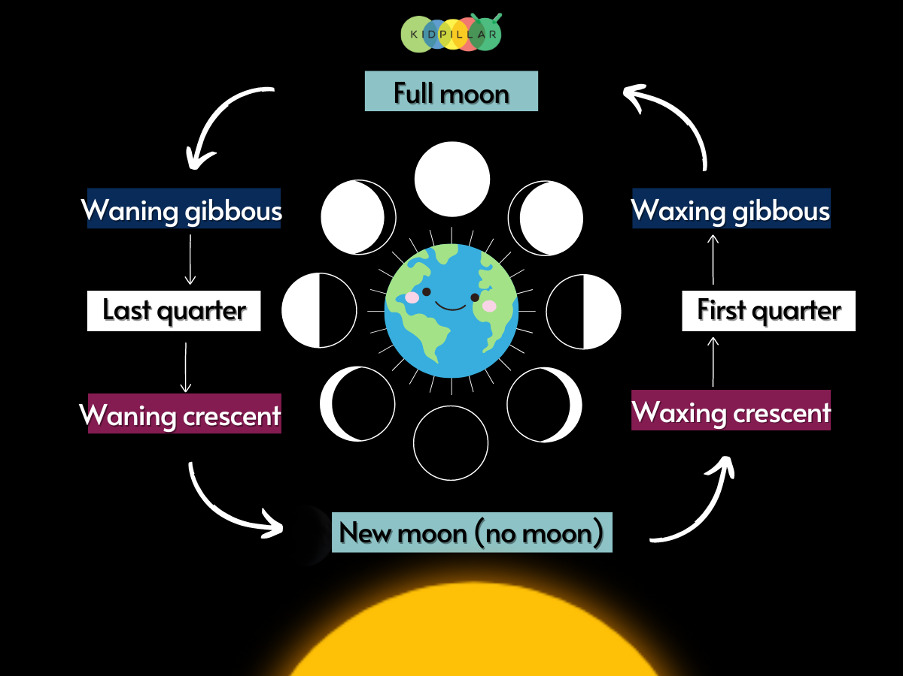
Phases of the Moon with Oreos is the easiest way to teach kids about the moon, its beautiful phases, why the moon changes shape, and the science behind it.
A great demonstration to include in a section on moon cycles is this Oreo Moon Phases Activity – a hands-on way to explain the phases of the moon to a child, no matter what their age!
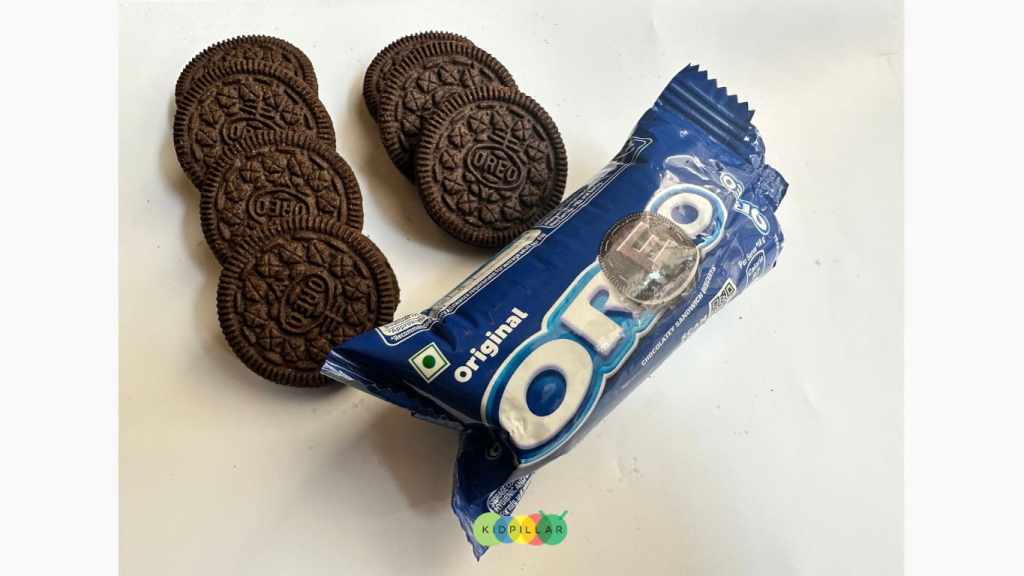
Moon Phases with Oreo Activity: Understanding the different phases of the moon
The Oreo Moon Phases activity is pretty simple: you use your kids’ favorite Oreo cookies to teach them to recognize the different phases of the moon in the sky.
You don’t need any complicated equipment or procedures for this Oreo cookie game—just your favorite Oreo cookies and a little curiosity.
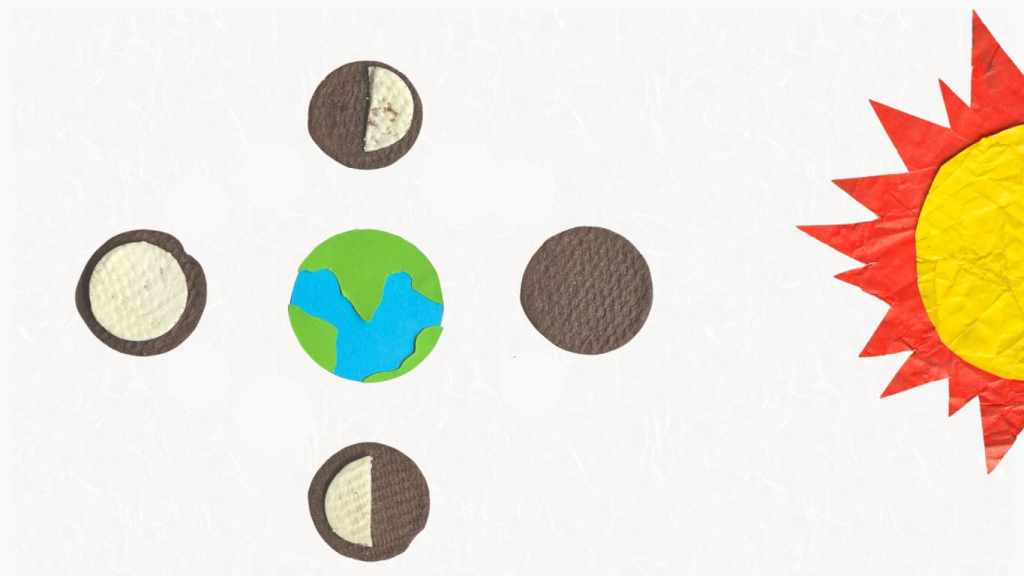
Now let’s get down to our Moon Phases with Oreo game!
What you’ll need for Oreo Moon Phases:
- Oreo Cookies: Better to have two different flavors of Oreo cookies for the waxing and waning cycles of the moon
- Children’s (butter) knife
- Moon Phases Chart or Chart for Reference – Download this free printable along with the Moon Phases worksheets at the bottom of the page.
Instructions for the activity “Moon Phases with Oreo”
1. Grab an Oreo cookie for this game:
Mmmm, deliciousness! Time to get out the Oreo cookies. These tasty treats will become mini-moons for our game. Give your child at least 8 Oreos to create the 8 phases of the moon with Oreos.
If possible, take four cookies of one flavor (for waxing moon phases) and the other four cookies of a different flavor (for waning moon phases). Slowly roll out the Oreo cookies and make sure all the cream stays on one side of the cookie.
You will not need cookies without glaze. So you can put it away to enjoy it later!
2. First, make all the quarters of the phases of the Moon; it will be easier!
Give the children a chart of the phases of the moon so that they can better understand all its forms. Give the children a butter knife and ask them to create the four phases as follows:
- New Moon: Let the children start from this phase. Using a butter knife, remove all of the frosting from the Oreo cookies, leaving only the dark cookies exposed. The new moon symbolizes the darkest phase, when the Moon is not visible from Earth.
- First Quarter: To create a “first quarter” moon phase from an Oreo cookie, peel off half of the frosting vertically to form a half circle to represent the first quarter of the moon.
- Full Moon: Kids don’t need to scrape off the frosting for this phase, as all the cookies need to be visible to represent the full moon phase.
- Last Quarter: Remove exactly half of the frosting to represent the Oreo’s last quarter moon phase.
Next, draw the Sun on the same side as the new moon. After the children have drawn the sun, ask them to arrange the four phases of the moon they have created. Use the moon phase chart as a guide for kids! It is important to remember that:
- The new moon is always on the same side as the Sun.
- The full moon is on the opposite side of the sun and the new moon.
- The first quarter is at the top.
- The third quarter is below.
3. Create crescent moon and waxing moon phases with Oreo cookies.
Waxing is the process by which a new moon (no moon) turns into a full moon. During growth, the moon increases in size.
It takes three phases, including the first quarter, for a new moon to fully transform or grow to a full moon phase.
A growing sickle resembles a sickle. The sickle shape should be on the right side of the cookie! Remove the remaining frosting with a butter knife.
Between 50.1 and 99% of the Moon is visible during the waxing Moon phase. Have the kids remove a sickle-sized frosting from the left side of the moon-shaped Oreo cookie.
4. Create the waning moon and waning crescent phases with Oreo:
The waning moon is the period when the full moon begins to decrease in size and eventually disappears from the sky. These phases are similar to the waxing crescent/waxing Moon, but have the opposite trajectory. So instead of the Moon waxing, it waxes and wanes until it reaches new moon phase.
The waning gibbous moon comes right after the full moon: start by removing a small (crescent-shaped) piece of frosting from the right side of the Oreo cookie to create the gibbous phase of the lunar cycle.
Descending Crescent: Scrape most of the frosting off the right side of the Oreo cookie and leave a crescent shape on the left side to represent the crescent phase.
Your Oreo Cookie Moon Phases are ready.
Study them with your child and ask them questions about the lunar cycle to check their understanding. Encourage your child to think by asking questions about why he thinks the moon changes shape.
This is a must-do STEM activity for all curious kids and future astronauts who are constantly fascinated by space science (as well as their surroundings!) and wonder why the moon keeps changing shape!
Why does the moon have different shapes throughout the month?
This is a good knowledge-based question that will improve your child’s STEM skills and space science knowledge. Begin by explaining that the Moon is a celestial body and how it is useful to Earth:
- The moon regulates the 24-hour cycle of our planet.
- It stabilizes the climate.
- He protects the Earth.
- Helps animals during migration.
- Provides enough light in the dark night.
The Moon is the only natural satellite of the Earth. It revolves around the Earth just as the Earth revolves around the Sun.
Quick Tip: Unravel the mysteries of space with our Space Science module. It’s filled with STEM activities, creative projects, and worksheets that make learning practical!
Now that your little space scientists understand what the moon is and how it affects life on Earth, let’s delve deeper to find out why the moon changes its shape.
In fact, the Moon does not change its shape at all! Only the way we see the Moon from Earth changes, which determines its different shapes and phases. Let’s explain how it happens:
Imagine that the Moon is a shiny ball in the sky, but it doesn’t have its own light like the Sun. It receives light from the Sun, just like the Earth, and appears to shine in the sky.
The side of the Moon that faces the Sun is illuminated, while the other half always remains dark (see the Moon Phases chart below or download the free printable version at the bottom of the page!).
The reason for the different shapes of the Moon is its position in its orbit around the Earth. When the Moon is between the Sun and the Earth (as in the table above), the illuminated part of the Moon is facing away from the Earth.
Because the Earth-facing half of the Moon does not receive sunlight, it appears hidden in the sky. This phase is called the new moon.
As the Moon revolves around the Earth, starting with the new moon, a small silver illuminated part of the Moon becomes visible from the Earth. This process is called “grow” and the size of the Moon increases until the Earth is between the Sun and the Moon.
At this moment, the entire illuminated half of the Moon faces the Earth, and you can observe the full Moon.
After full moon nights, the position of the moon in its orbit changes and you begin to see less and less of the visible part of the moon. This is called waning, and it continues until the Moon is again between the Sun and the Earth.
Quick Tip: Check out the latest space facts to learn more about the moon and the universe!
Different shapes and phases of the Moon
The moon takes approximately 29.5 days to complete one lunar cycle. During this period, it goes through the following phases before the cycle repeats itself.
When discussing the different shapes of the moon, it’s best to keep a chart of the phases of the moon and the lunar cycle handy for children to refer to.
new moon
During this phase, the side of the Moon facing Earth is completely in shadow and appears completely dark. The moon is completely invisible.
This phase is called the birth of the new moon or the beginning of the lunar cycle.
Crescent moon
A small, silvery, crescent-shaped object appears in the sky as the Moon approaches full Moon.
The waxing phase of the Moon officially begins at this point. Every day this sickle is getting bigger and bigger.
The first quarter
This phase is usually called the crescent. In the first quarter, the Moon is at an angle of 90 degrees to the Earth. Half of the visible part of the Moon is illuminated, which resembles the shape of a crescent.
Growing Moon
The term “waxing moon” refers to the intermediate phase between the full moon and the crescent moon.
During this phase, more than half of the Moon is illuminated, but it is not yet a full moon. The illuminated part continues to increase.
Full moon
When the Earth is between the Sun and the Moon (an angle of 180 degrees), you get a full moon!
The waning moon
The waning moon is the name of the period immediately after the full moon. This is the phase when the Moon (disc of light) begins to wane.
Although it occurs after the full moon, it can be compared to the waxing moon phase.
The last quarter
The last quarter is similar to the first quarter, in this phase the Moon is crescent shaped but on the opposite side compared to the first quarter.
Just for fun: Add humor to learning with this funny science joke – Why was the moon so broke? Because he only has the last quarter left!
Falling sickle
After the third quarter of the Moon, the waning crescent shows the last remnants of the full Moon before the dark night covers us completely. The moon is only partially visible in the shape of a small crescent.
Final thoughts…
Now that you’ve covered the phases of the moon, test your knowledge with these free printable moon phases worksheets.
Free Oreo Moon Phases Worksheets
These Oreo Moon Phases Worksheets (along with Moon Phase Charts!) are a great resource for teaching the phases of the moon to both students and kids at home.
Source: Oreo Moon Phases – Hands-on STEM Activity to Understand Lunar Cycle