
🚚 FREE DELIVERY IN UKRAINE • 📞 QUICK ORDER: +380 63 571 3650 • 📚 STEM KITS FOR HOME, SCHOOL AND CLUBS
🚚 FREE DELIVERY IN UKRAINE • 📞 QUICK ORDER: +380 63 571 3650 • 📚 STEM KITS FOR HOME, SCHOOL AND CLUBS
🚚 FREE DELIVERY IN UKRAINE • 📞 QUICK ORDER: +380 63 571 3650 • 📚 STEM KITS FOR HOME, SCHOOL AND CLUBS

Elephant Toothpaste – Fun Science Experiment
If you've ever wondered how to make elephant toothpaste at home with your kids, or wondered what the reaction is
If you’ve ever wondered how to make elephant toothpaste at home with your kids, or wondered what goes on behind the scenes, then this article will help you a lot.
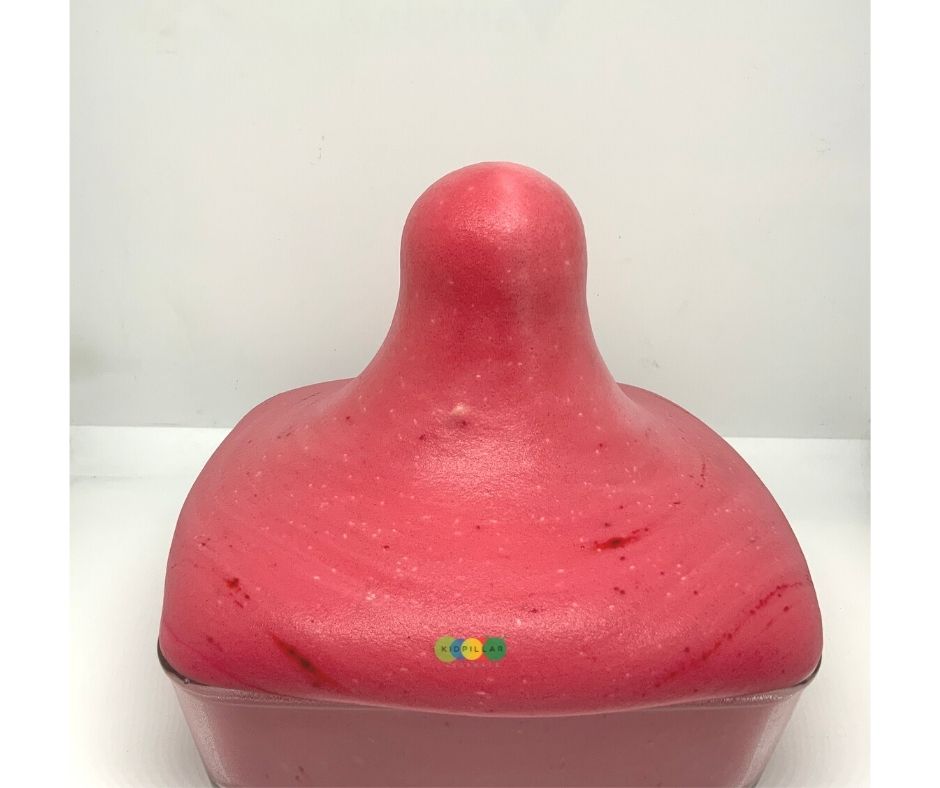
The Elephant Toothpaste Science Experiment for Kids will fascinate your kids (and you!) and spark their interest in STEM by pushing their innate knowledge. interest.
Elephant toothpaste got its name from the thick foam it creates as a result of a fun chemical reaction.
- Why is Elephant toothpaste fun?
- Elephant toothpaste recipe
- Safety rules
- Frequently asked questions
- The Science of Homemade Elephant Toothpaste Recipe
- Question and answer time for children
The resulting foam is big and fluffy enough to resemble toothpaste being squeezed out of a tube, but only fit for an elephant!
Why is elephant-shaped toothpaste a fun science experiment?
Rockets, explosions, foam and eruptions act like magnets in science. They are great at getting kids to try them and learn more about them.
The Elephant Toothpaste Science Experiment combines all these magnets – eruptions, foam and rocket-like action – to make this experiment exciting, fun and attention-grabbing!
If you’re a parent, you might want to think twice about where you want to install it and what safety precautions you need to take, as the chemical reaction with Elephant Toothpaste Recipe creates quite a bit of foam and can get messy!
Related: Learn how to create a science lab at home for your kids. It’s much easier than you think!
But that shouldn’t discourage your kids from doing it, because this fun and easy science project for kids includes a lot of chemistry, biology, and other science concepts that your kids can definitely benefit from!
If you follow the correct procedure and take the necessary precautions mentioned, you can make this experiment a fun and hands-on activity for kids!
Related: Also try making artificial snow at home. It’s a lot of fun to make and it’s a great sensory tool.
Recipe for toothpaste “Elephant”
Toothpaste “Elephant” is an interesting and extremely simple scientific experiment that can be conducted at home. It’s quick, but requires some advance preparation, as some of the materials needed for the experiment may not yet be available in your pantry.
Ingredients for “Elephant” toothpaste:
1. Empty plastic bottle or transparent container
2. 15-20 ml or 3 tablespoons of warm water
3. 1 bag of dry yeast
4. Liquid dish soap
5. Hydrogen Peroxide – 6% concentrated hydrogen peroxide works best and can be found at beauty supply stores. You can also use a commercially available 3% concentrated solution that can also be found in pharmacies, but the reaction will be slower and less dramatic.
6. Food coloring
7. Funnel
8. Safety glasses
9. Gloves
10. Measuring glass
How to make “Elephant” toothpaste at home:
Step 1: Put on gloves and safety glasses.
Step 2: Pour half a cup of hydrogen peroxide into the empty bottle.
Step 3: Add a few drops of your favorite food coloring to the bottle.
Step 4: Add a little soapy water (or 1 tablespoon) to the container and mix gently.
Step 5: In a separate bowl/cup, mix warm water and yeast. Let the mixture rest for about 30 seconds to activate the yeast.
Step 6: Finally, add the yeast mixture to the hydrogen peroxide container using a watering can. This should trigger a reaction!
Related: While your kids are feasting their eyes on this activity, don’t forget to strengthen their hands and motor skills with this easy homemade moon sand. It is perfect for sculpting and creative games!
Safety rules for experimenting with Elephant toothpaste
Can Elephant Toothpaste be touched?
Although the resulting foam is only water, soap, and oxygen, it is still warm because the reaction is exothermic in nature.
Hydrogen peroxide, on the other hand, can cause skin damage and eye irritation when it comes in contact, so reinforce proper safety practices and teach your children about the importance of this as well.
So, while ideally it’s safe to touch the foam after it has cooled down a while, we still recommend caution if the hydrogen peroxide hasn’t completely broken down.
Make sure your children and anyone else working with the chemicals in the experiment wear safety glasses and gloves.
Related: If your kids like to touch foam, try these baking soda and vinegar experiments that make foam completely safe to touch.
Frequently asked questions
Related: Looking for fun indoor activities? Here are 80+ of the best indoor activities for kids to keep them happy and entertained at home.
Toothpaste “Science about elephants”
There are many science concepts that you can discuss with your children. They will be determined to find out what is behind this amazing foamy chemical reaction they have just witnessed.
1. Appointment of hydrogen peroxide
Hydrogen peroxide has the formula (H2O2) and is used to disinfect areas of the skin and even as a whitening agent in cosmetics.
Under the influence of the external environment, hydrogen peroxide naturally breaks down into water and oxygen.
2H2O2 -> 2H2O + O2
The natural process is very slow, but it can be accelerated by certain substances and conditions, such as catalysts, higher temperatures, UV rays, etc.
Have your kids guess what the secret ingredient was in the elephant toothpaste experiment that sped up the decomposition of hydrogen peroxide into hydrogen atoms and oxygen atoms. Entertain them with these silly science jokes for kids.
2. Function of yeast
Yeast is the secret ingredient! The catalyst in the experiment was yeast, which accelerated the decomposition of hydrogen peroxide. Yeast contains a special chemical called catalase that helps break down hydrogen peroxide.
We mix the yeast with warm water to activate the yeast. Once activated, catalase in the yeast helped quickly split oxygen atoms from the hydrogen peroxide molecule.
Interesting fact: catalysts are also inside our body! Enzymes are biological catalysts and help animals digest food faster. Without enzymes, digesting food would take days, not hours! Ask your students to learn about the different types of catalysts/enzymes found in our bodies.
Are you impressed by this interesting fact? Check out other weird but true fun facts for kids.
3. Why dish soap?
The purpose of liquid dish soap is quite simple. The texture of the created form is largely determined by the dishwashing liquid.
The bubbles of oxygen released by the decomposition of the hydrogen peroxide combine with the water and soap in the container to form a soapy lather that is ejected like toothpaste from the tube.
In the absence of soap, the bubbles would break out of the liquid and burst quickly. The soap provides the necessary surface tension of the liquid, thus helping the oxygen bubbles to enter the liquid and form a thick lather.
Now that you understand what dish soap does, can you guess what happens if you don’t use dish soap?
Well, what! The reaction will still produce bubbles, but not foam, because there is nothing to hold the bubbles!
4. Why is Elephant toothpaste warm?
The decomposition of hydrogen peroxide into water and oxygen is an exothermic reaction. Exothermic reactions release heat, so the resulting foam is warm.
Question and answer time for children
Here are some fruitful discussions you should have with your students to engage them in science learning.
Ask your children to reflect on these questions and find their answers and reasoning. This is a great way to teach science and develop critical thinking.
What happens if you use 3% hydrogen peroxide?
Concentration plays an important role in the rate of reaction. The higher the concentration, the faster the reaction.
When you use a 6% hydrogen peroxide solution, you should see the toothpaste lather almost instantly and much faster compared to using 3% H2O2.
Where else is yeast used as a catalyst?
Yeast is a popular catalyst and is used in baking, alcohol production (fermentation), etc. industry
Why is hydrogen peroxide stored in dark-colored bottles?
Ask your children why they think the hydrogen peroxide bottles are dark. Is it a coincidence or is there some science behind it?
Hydrogen peroxide decomposes naturally under the influence of light. UV rays from the Sun act as a catalyst and accelerate the process of its decomposition.
Storing them in dark bottles helps slow down this decomposition, which in turn increases the shelf life of the hydrogen peroxide.
Quick Tip: Enjoy fun science quizzes for kids to get them thinking and learning new science facts!
Conclusion
The elephant toothpaste experiment is one of the coolest experiments you can try at home. Understand the scientific concepts behind the experiment so you can help your kids understand science while enjoying the activity.
Make sure your kids follow basic safety rules and understand the importance of safety in science from an early age!