
🚚 FREE DELIVERY IN UKRAINE • 📞 QUICK ORDER: +380 63 571 3650 • 📚 STEM KITS FOR HOME, SCHOOL AND CLUBS
🚚 FREE DELIVERY IN UKRAINE • 📞 QUICK ORDER: +380 63 571 3650 • 📚 STEM KITS FOR HOME, SCHOOL AND CLUBS
🚚 FREE DELIVERY IN UKRAINE • 📞 QUICK ORDER: +380 63 571 3650 • 📚 STEM KITS FOR HOME, SCHOOL AND CLUBS

13 Best Plant Science Experiments & Activities for Kids
Plant Science Activities for Kids offers great STEM lessons for kids of all ages. Your child can learn a lot
Plant Science for Kids offers great STEM lessons for kids of all ages. Your child can learn a lot of science and math just by observing plants.
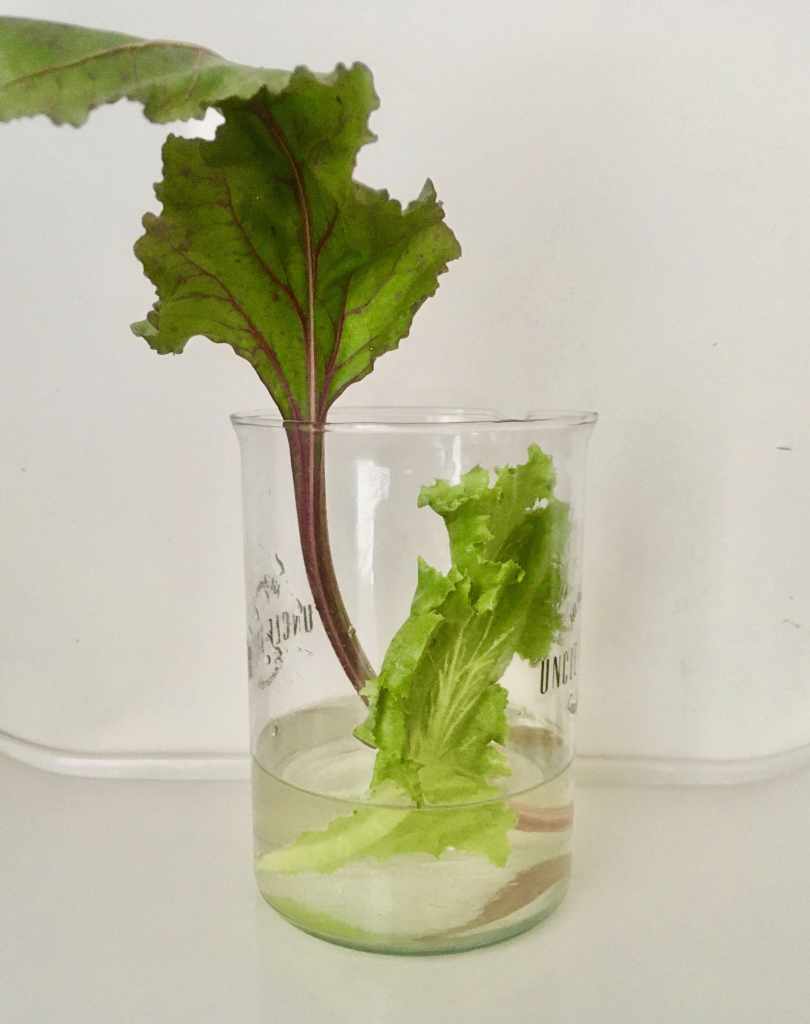
All of these plant growing exercises are perfect for your budding gardener and can be done in the backyard without much training. Just the perfect way to keep kids busy and teach hands-on STEM lessons.
Scientific experiments with plants for children
1. Flavored lettuce leaves
The first of these plant gardening activities for kids is sure to ignite your child’s inner scientist. Ask him if he can add or change the flavor of the lettuce. The problem is that top-feeding is prohibited.
Our recent STEM chapter on plant parts gave us enough information about how water and nutrients are transported (capillary action) to different parts of plants. Now it’s time to experiment with what we’ve learned and test your knowledge.
Grab some lettuce or lettuce. Do not cut their shoots. Wash them well. Now take two glasses of water. Dissolve the salt in one cup and the sugar in another.
Place the leaves in both cups, making sure their shoots/stems are submerged. Try leaves from different cups after 5-6 hours. Do they taste different?
Preschool science activities like this one develop critical thinking and logical reasoning while teaching kids about cause and effect.
2. Chromatography of leaves
This is one of the funnest hands-on plant growing experiences for kids. Ask them if they really think the leaves are green or if there are different colors hiding inside.
Try this simple science exercise to find the answer. What you need:
- Pencil
- Cup
- Scotch
- Alcohol
- Water
- Scissors
Step 1: Take a leaf and grind it to make a paste.
Step 2: Make a 1:1 solution of water and alcohol in a cup. Mix the paste from the leaves in the solution.
Step 3: Cut a long strip of kitchen paper towel with scissors.
Step 4: Roll the paper towel around the middle of the pencil so that one end of the kitchen paper towel hangs loose.
Step 5: Place the pencil on the cup so that the free end is immersed in the solution. Do not immerse the paper towel more than 3-4 cm.
Now let the paper towel sit. After a few hours, you will notice different colored pigments on the strip of paper towel. What color pigments do you see?
Get your own personal STEM Botany e-zine for kids to make learning practical!
3. Reveal the secret of succulents
Are the succulents in your garden hiding a secret? Try this fun plant growing activity for kids to find out. It is extremely simple and extremely instructive.
Take two leaf samples – one from the succulent and one from any shrub.
Try to choose leaves of the same size. Put the leaves on a plate and cover it with a transparent lid.
Now put this plate in a sunny place. Observe the leaves for several days.
Which leaf dried faster? why Does a succulent hide a secret supply of water inside itself?
4. Peas in a pod
This is a great gardening activity for kids of all ages. Grab some pea pods and have your little scientist explore nature’s wonderful packaging.
Ask your child to try to tear the pods. is it easy Why do you think peas are packaged the way they are? Do all peas have the same number of peas?
5. Revitalize dried leaves
One of the most magical plant growing experiments for kids, it’s so much fun! We are sure that your children will be amazed and delighted with the science activity!
You will need some dried leaves and a bowl of water.
Ask your child to look at the dried leaf. Can they easily scatter it? Now place the dried leaf in a bowl of water and let it sit for a few hours.
Now try grinding it again. What do you see? Is it as easy as before, or did you just bring a dried leaf back to life?
6. Measurement of flowers
Another activity that combines plant science with math. Have your children pluck some fallen flowers and pluck their petals.
Trace the shapes of the petals and measure them using a ruler. It’s amazing how many different shapes and lengths of petals there are right in your garden.
For hands-on math games and activities, check out Easy Math Card Games for Kids to make learning math fun!
7. Leaf area
This super STEM activity is for slightly older kids, 6+. Circle the leaves on the paper grid and ask the children to count the squares within the borders.
Considering each square as a unit, the number of squares will give you the approximate area of the leaf.
Try it with different leaves and compare areas to see how deceptive the leaf shape looks!
8. Exercise with pine cones
Try this simple exercise with pine cones. All you need is a fallen pine cone and a bowl of water.
Place an open pinecone in the water and wait to see the magic! This may take 5 to 10 minutes, but it’s worth it!
9. Pollination of flowers
We love this pollination of flowers. Understanding pollination and how bees and birds help in pollination is a bit difficult for children to grasp.
Let’s try to make it easy for kids.
All you need is a bag of cheesy nachos or salty cheesy popcorn. Other flavors work too, but this one works the best!
Pour the nachos into a bowl and have your little ones touch them with their hands. You can’t lick your fingers!
Now that they have taken a few bites, ask them to touch the tissue paper. What do you see? Is there magic pollen on cigarette paper?
Just as some condiments stick to your hands when you eat with your fingers, pollen sticks to bees and birds. And when they fly to other flowers, this pollen falls and is transferred. Simple pollination!
This is why we need bees to maintain our ecological balance! They are our natural pollinators.
Quick Tip: Combine this fun science activity with a Pipe Cleaner craft.
10. Transpiration of plants
Transpiration is the process by which plants get rid of excess water. But this loss of water happens imperceptibly!
Make this invisible process visible to kids with this simple outdoor science experiment. This clever experiment will let your kids (and you!) see all the water that plants throw back into the atmosphere.
All you need is a ziplock bag and a plant! Cover the branch of your chosen plant (preferably in a sunny location) with a ziplock bag and seal it.
Observe in a few hours. Your kids will be amazed to see the water droplets condense along the ziplock bag, completely misting it!
This is definitely one of the best plant science experiments for kids of all ages, worth a try!
Quick Tip: Add a stuffed animal to your plant study section to make it more fun and creative.
11. Make flowers that change color
The color changing flowers science exercise is super easy and another great way to learn about capillary action and plant pigments. What we love about this activity is that it works well for every age group!
12. Activity of the vascular system of plants
The vascular system of plants consists of conducting tissues and supporting fibers that transport nutrients and minerals to different parts of the plant.
Thanks to this cool science experiment, your kids (and you!) will be able to see the vascular system in all its glory, and with the naked eye, without a microscope.
How to do it. it:
You need cabbage leaves. That’s it! We choose red cabbage because of its season, availability and great color.
Take the outer leaf of the cabbage and boil it in water for about 5-6 minutes until you see the color coming out of it.
Remove the leaf and let it cool. When cool, hold it between your fingers to the light to see the amazing vascular system of the plants.
It is such an amazing scientific activity to see the vascular system that is otherwise hidden from the naked eye.
You can also draw similarities between the vascular system of plants and the circulatory system of animals. The network of vessels is somewhat similar.
13. Quiz about plants
Try this simple quiz about plants with students in grades 3 and up. A good mix of easy and challenging questions, it’s a great classroom resource that will challenge children and explain interesting facts about plants.
Quiz about plants
To you…
These hands-on, easy-to-do plant science experiments for kids are a great addition to elementary school science lessons, engaging kindergarteners and older students.
What’s more, these science activities for kids are easy on the pocket and also make up for great science projects for school.
Source: 13 Best Plant Science Experiments & Activities for Kids