
🚚 FREE DELIVERY IN UKRAINE • 📞 QUICK ORDER: +380 63 571 3650 • 📚 STEM KITS FOR HOME, SCHOOL AND CLUBS
🚚 FREE DELIVERY IN UKRAINE • 📞 QUICK ORDER: +380 63 571 3650 • 📚 STEM KITS FOR HOME, SCHOOL AND CLUBS
🚚 FREE DELIVERY IN UKRAINE • 📞 QUICK ORDER: +380 63 571 3650 • 📚 STEM KITS FOR HOME, SCHOOL AND CLUBS

The Science of Baking for Smart Kids
Think the only place for kids to experiment is in a science lab? Well...try baking with the kids! Baking is full of science experiment
Think the only place for kids to experiment is in a science lab? Well… try baking with the kids! Baking is full of science experiments for kids, the result of which (well, mostly!) are goodies.
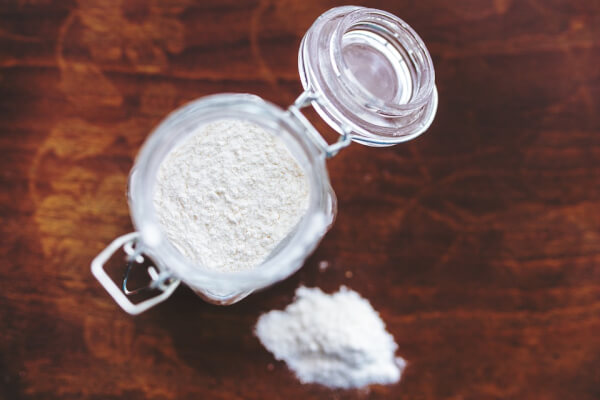
From improving your child’s motor skills to a hands-on lesson in math and science concepts of measurement, proportion, molecular gastronomy, the rewards of learning the science of baking with kids are many!
Content
- Science of Baking for children
- Properties and purposes Cake ingredients Purpose of flour in a cake Purpose of sugar in a cake Purpose of oil and butter in a cake Purpose of baking soda and baking powder in a cake Purpose of eggs in a cake Purpose of milk in a cake
- Why does the cake rise?
- How does the oven work when baking a cake?
- Why are cakes delicious?
- Advantages of baking with children
- Cake recipes that you can try with children
- Baking books for children
- Baking sets for children
Plus, a little time spent in the kitchen with your kids can create a treasure trove of lifelong memories as well as a set of life skills.
The science of baking for children
Baking is a great example of a chemical process! You mix the various dry ingredients with the wet ingredients, heat the mixture and blow it up… you end up with a nice fluffy cake.
You start with solid ingredients, turn them into a liquid batter, and finally have a solid cake! These changes are a great live demonstration of the different states of matter and a perfect starting point for discussing the cool, intriguing science of matter.
Baking is an endothermic reaction in which reacting materials (cake ingredients) absorb heat from the oven and form a new product (cake).
Like any other chemical reaction, this reaction is also governed by its ingredients. Here’s what each element does…
Related: If baking isn’t for your preschooler, we suggest you try these great preschool activities that promise hands-on learning.
Properties and purpose of cake ingredients
Purpose of flour in a cake
Flour is responsible for the structure of the cake. Flour reacts with water to form gluten, an elastic protein that gives the cake its structure. This elasticity helps the cake rise, thus making it less dense and fluffy.
Purpose of sugar in the cake
While the obvious purpose of sugar is to add an irreplaceable sweetness to the cake, sugar also adds a lovely color to the cake. When the sugar is heated, it caramelizes, giving the cake its characteristic yellow-brown color.
Another function of sugar is that it helps the cake stay moist and soft. Sugar is hygroscopic in nature, meaning it holds moisture around it.
This moisture-retaining property of sugar helps the cake retain some of the moisture during baking and thus stay soft.
Purpose of oil and butter in cake
Oil and butter add moisture to the cake, proving the quintessence of fats in the recipe. Without these fats, the cake would not be soft and would be dry.
Purpose of baking soda and baking powder in a cake
These two ingredients help the cake rise. Without these ingredients, your cake would be hard and dense.
Purpose of eggs in baking
Eggs consist of two main parts – albumin and yolk. Albumen or egg white is mainly composed of water and protein, while the yolk is rich in nutrients and fats. Together, these two components add water, protein, and fat to the cake.
Eggs are a great binder to bind all the dry and wet ingredients together. In addition, eggs also give baked goods a rich texture, yeast, color and flavor.
Purpose of milk in baking
Milk provides moisture to baked goods while acting as a softener. It also gives the dough a better texture and flavor.
Why does the cake rise?
It takes a lot of things to make a cake rise! While flour and leavening make a good dough that can expand, 90% of the expansion of a cake is caused by water and carbon dioxide.
While we know the sources of water (moisture) in cake batter, the ingredients responsible for carbonation are somewhat hidden.
Baking soda and baking powder are the two ingredients that release all the CO2 needed to make the dough. the cake grows bigger. They react with the alkaline and acidic ingredients present in the dough to release carbon dioxide – the same gas that is present in your cola. And just as it rises in your drink, the carbon dioxide rises in the dough, adding bubbles to the dough. These bubbles make the cake rise, giving it a light fluffy texture.
How does the oven work when baking a cake?
As mentioned earlier, baking is an endothermic reaction that absorbs heat. The oven provides the heat needed to bake the pie.
The oven provides uniform heating of the atmosphere for baking a pie. This allows the cake to be cooked on all sides at the same time, thus balancing the chemical changes occurring in the dough.
To better understand this, ask your children what do they think will happen if we cook a cake on the stove in a pan?
The result will be a finished bottom layer with a liquid center and top. To bake the perfect pie, you need an even temperature on all sides of the pan to cook the entire batter evenly.
For this reason, ovens have grills on the top and bottom so that it can heat up evenly. In addition, the cake is always placed in the center of the oven so that it can heat evenly from all sides.
To really help your kids understand this, try baking three small cakes, but with the following differences:
Cake 1: Bake this with the top rack on only.
Cake 2: Bake this with the bottom rack on only.
Round 3: Bake it with the top and bottom racks on.
Set the same duration, and when these cakes are baked, check if they differ in cooking method. Taste them to check the softness and texture of each cake. Which one do you think is the best?
This simple baking experiment for kids will help your little ones understand why the oven is so important for baking and why baking a cake requires the right temperature.
Once your kids have learned to bake, let their love of baking blossom with cute baking equipment and baking books for kids. This will build excitement around baking and help them explore baking beyond simple cakes.
Why are cakes delicious?
Blame it on primitive instinct and evolution! We humans evolved from primates who still roam the forest in search of ripe fruit.
Ripe fruits, often sweet, are better sources of energy than vegetables, so most primates prefer them over other food sources. In addition, the extra calories gave them a better chance of survival if food shortages occurred.
In the process of evolution, human taste buds learned to recognize four basic tastes – salty, bitter, sweet and sour.
With the inherent preference for sweet foods for the reasons mentioned above, we still crave these high-energy foods. And the cake is suitable both from the point of view of sweetness and from the point of view of fatness!
It’s a wonderful combination of sugar and fat that satiates our palate and meets our body’s needs, making it delicious and hard to say no to!
The benefits of baking with children
1. Promotes hand-eye coordination and motor skills
Spooning dough, pouring ingredients, icing cakes and cookies all offer great opportunities for hand-eye coordination and fine motor skills. The best part is that you don’t have to encourage the children to do these exercises, they will gladly lend a helping hand!
2. Develops mathematical skills
Math is the hidden ingredient in all kinds of baking and cooking. Baking with children helps them put their math skills into practice. Children who regularly help in the kitchen or bake usually become professionals at measuring and understanding proportions.
3. Helps listening and understanding skills
Cooking with children does wonders for listening and comprehension skills. Completing the recipe requires children to carefully listen (or read) and correctly and consistently understand the information.
4. Great for two-way coordination
Sifting flour, mixing eggs, rolling out dough, cutting cookies – all this requires children to use both hands in a coordinated manner. This promotes bilateral coordination, an important motor skill that is still developing in children and requires a lot of practice.
5. Nurtures connection
Baking offers a necessary and much-needed respite from the pressures of academic life. It helps children connect with their parents beyond the mundane things of life and connect them sincerely.
With so many possibilities to offer, baking is a family activity that you should get the kids excited about. Plus, kids of all ages just love cupcakes!
These sweets bring them pleasure like no other dessert. This brings us to an interesting question that children often ask: “Why do cakes taste so good?”
6. Contributes to the formation of healthy eating habits
Joint cooking has a positive effect on children’s food consumption. According to Cambridge University Press, involving children in self-cooking increases their self-confidence, helps them make better food choices, and embrace healthier options.
Cake recipes that you can try with children
Now that we’ve covered why your kids (and you) should get into baking every now and then, here’s a quick cake recipe to try. children.
Dark chocolate cake recipe
Ingredients:
- 4 large eggs
- 1/2 cup of cocoa powder
- 1+1/4 cups of currants
- 1 cup of all-purpose flour
- 1+1/2 teaspoons of baking powder
- Pinch of cookies Soda
- 3/4 cup of oil
- 1+1/2 teaspoons of vanilla essence
- Dark chocolate chips
- White chocolate chips
- Walnuts
Instructions:
- Mix eggs and sugar. Beat the mixture until it becomes fluffy and almost 4 times in size.
- Sift the all-purpose flour, baking powder, baking soda and coconut powder into a large bowl and set aside.
- Add the oil to the egg-sugar mixture while slowly beating the mixture. Add vanilla essence to the mixture.
- Set the oven to 180 degrees Celsius and turn it on to preheat it.
- Add the flour, carefully adding in small portions, into the wet ingredients in an up and down motion. Mix all the flour together to make a smooth, lump-free cake batter.
- Add the chocolate chips and walnuts to the mixture and fold it in.
- Grease a mold/baking tin and transfer the batter into it.
- Put the mold in the oven for 30-35 minutes.
- Check if the pastry is baked. well, inserting a wooden skewer into the center of the pie. If it’s clean, your cake is well done.
Leave the cake in the oven for another 5 minutes after the oven turns off. Remove the cake pan and allow the cake to cool before removing it from the pan to prevent it from cracking.
After you put the cake in the oven, have your children watch it every two minutes and record their observations. Before long, your kids will be jumping for joy as the cake rises.
Now is a good time to turn this great activity into a STEM session. Test them and let them explain why the cake rises before you reveal the science of baking.
Books about baking for children
1. Kid Chef Junior Bakes
A wonderful book that will help your children prepare pastries in no time! With pictures for each recipe and bold text, this will be the perfect buy for a baking-loving child. Contains recipes for delicious and healthy baked goods.
2. Baking class: 50 interesting recipes that children love to bake!
This is a fun baking book for ages 8 and up. Filled with delicious recipes, beautiful pictures, and easy-to-follow instructions, this book is sure to help your child learn to bake the right way.
3. Pastries “MasterChef-Junior”
This cookbook for children contains 100 recipes from “MasterChef Junior” participants. All recipes are kid-friendly and have helpful pictures to make cooking easier.
4. A complete baking book for young cooks
Go beyond simple baking with this complete baking guide, designed especially for budding young cooks. A fantastic cookbook for children, it has clear instructions that reveal the mysteries of the science of baking. Ideal for children from 9 years old.
5. My mother and I are baking
Get your little ones started baking with this cookbook for kids. This could be your first cookbook together. Easy to follow instructions combined with simple text and large images make it a hit with kids.
6. Children like baking
This kid-friendly book features 30 sinful recipes to try with kids. These interesting ideas for decorating a dessert will surely interest your children.
7. Food Network Magazine The Big, Fun Kids Baking Book
This wonderful cookbook for kids includes convenient and easy recipes for muffins and quick breads, cakes and bars, cookies, muffins, cakes and much more. Tried and tested by chefs, these recipes are sure to tickle your taste buds.
8. Good Housekeeping children’s baking
Get ready to bake desserts and savory dishes with the kids with this fantastic children’s baking book. Want a pizza with cookies? Here is the perfect recipe for the ultimate cookie pizza!
Baking sets for children
1. Baketivity Kids’ 31-Piece Baking Set and 12 Free Recipe Cards
This is the perfect gift for your chef. With kid-friendly and dishwasher-safe tools, this baking set has everything your little baker needs.
2. Riki’s Kingdom Kids Authentic Cupcake Baking Kit
This brightly colored children’s baking set includes 12 silicone baking molds, a 6-cup muffin tin, 1 spatula, 1 pastry brush, 5 measuring spoons, 1 whisk, a pastry bag, 6 pastry tips, a clutch and 4 recipe cards. This is a complete package for any budding baker to get started.
3. Kitchen set for baking MasterChef Junior
This 7-piece baking set for kids comes with a mixing bowl, liquid measuring cup, rolling pin, spatula, 4 silicone baking cups and 4 dust shields. The tools are just the right size for little hands, making it a great baking set for kids.
4. RISEBRITE Cake Decorating Kit
This cake decorating kit is impossible to enjoy! This 38-piece set includes everything your kids will need to decorate a cake. It is a real pleasure for children.
Let the fun begin…
Armed with a baking kit, the perfect recipes and a deep understanding of the science of baking, your little one is ready to begin their culinary adventure.