
🚚 FREE DELIVERY IN UKRAINE • 📞 QUICK ORDER: +380 63 571 3650 • 📚 STEM KITS FOR HOME, SCHOOL AND CLUBS
🚚 FREE DELIVERY IN UKRAINE • 📞 QUICK ORDER: +380 63 571 3650 • 📚 STEM KITS FOR HOME, SCHOOL AND CLUBS
🚚 FREE DELIVERY IN UKRAINE • 📞 QUICK ORDER: +380 63 571 3650 • 📚 STEM KITS FOR HOME, SCHOOL AND CLUBS

Rajasthan Inspired STEM Activities for Kids
We recently had the opportunity to travel to the beautiful state of Rajasthan. This surreal Indian state is famous for its desert.
We recently had the opportunity to travel to the beautiful state of Rajasthan. This surreal Indian state is famous for its desert. We really enjoyed our short stay and my son especially had a lot of fun exploring a state with a completely different habitat.
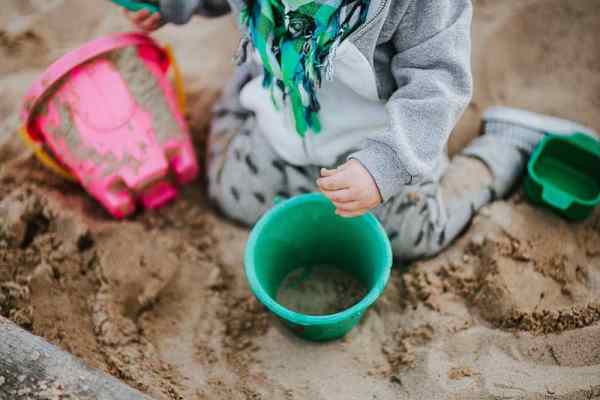
Back home, still in awe of the beauty of Rajasthan, we participated in some STEM activities for the kids. It’s always a great way to make memories last and help your kids learn through observation.
STEM classes for kids in Rajasthan
1. Experiment with water and sand
Find out what makes Rajasthan so unique in the first place – the sand. Take two cans. Fill one with sand and the other with garden soil. Add half a cup of water to each jar. Ask your child to press a finger on the sand and soil to see which one feels wetter.
This desert STEM activity helps kids understand the main difference between sand and soil. What makes Rajasthan a desert is the absence of moisture or water vapor. The desert receives less than 250 mm of precipitation per year.
2. Habitat research
You can learn a lot just by watching. During our trip we had the opportunity to observe the wildlife and countryside for hours. This gave us a great opportunity to review our Habitat STEM Journal and draw conclusions about the vegetation based on what we learned. Here are some questions you might want to ponder:
- Why is there less vegetation here? What is different about vegetation? What factors affect vegetation? Why do leaves have different shapes? Why are many trees still barren in the spring? How do animals affect the vegetation in this area?
The greatest satisfaction was that he was able to find the correct answers based on his understanding of the habitat, with the help of small clues. When these kinds of discoveries and analysis happen, you can be sure of real deep learning.
3. Figures of sand and soil
Illustrate the difference between sand and soil with this simple exercise. Ask the child to sculpt different shapes from earth and sand. Soil compacts well, keeps its shape better and longer than sand. Add water to see if that helps. We used clay molds from our old dough kit to explore the structural differences between garden soil and sand.
4. Experiment “Day and night in the desert”
Another thing we noticed during our stay was that the nights were significantly cooler than the days. But you don’t have to go to Rajasthan to witness this phenomenon. Try it at home.
Take two pots, fill one with sand and the other with garden soil. Place a room thermometer in each of the pots so that part of the instrument is under the soil/sand coating. Place the pots outside and record the temperature of the two pots at sunset that same day and early morning the next day.
Sand tends to heat up faster and has a higher temperature during the day. Thus making the deserts hotter. But they also cool faster, as evidenced by the temperature recorded early the next morning.
If you don’t have a room thermometer, you can use a small bottle filled with water and cover it completely with soil (and sand) in the pot. The temperature of the water will vary significantly in the two pots, indicating how the sand heats and cools faster than the soil.
5. Desert terrarium
For this STEM activity inspired by Rajasthan, you’ll need:
- Masonry gloss, sand, soil, pebbles, succulent, water spray
Step 1: Fill a mason jar with 4:1 sand and soil.
Step 2: Water the sand-soil mixture so that it is slightly moist. sand.
Step 3: Spread the pebbles on the sand board and plant your succulent.
Step 4: Close the container and place it in a sunny place.
Your desert terrarium is ready!
6. Handkerchief Bandhej with your own hands
While in the city, we noticed many women wearing the traditional red bandhej. Inspired by this art form, we decided to create our very own Bandhej. This is a great STEAM challenge that combines science, math and art.
You will need:
- White cotton napkin Buttons White cotton thread Food coloring
Step 1: Take a napkin and spread it on a flat surface. Place the button in the center. Fold the napkin around the button and tie it with a thread. So that the button does not move from its place, you need to make many turns with the thread.
Step 2: Place the buttons in one corner of the napkin in the same way and tie the napkin around the button with thread. Repeat for the remaining three corners.
Step 3: This step should only be performed by an adult. Boil water in a saucepan and add food coloring to the boiling water.
Step 4: Immerse the tied handkerchief in the boiling water and let it sit in the water bath for 10-15 minutes before removing.
Step 5: Let the tissue dry. When the napkin cools and dries, open the thread knots to reveal the beautiful Bandhej pattern.
You can create different patterns and change the size of the buttons together with the children. The end result is always beautiful.
7. Shortbread
Make the impression more sensual by making shortbread with your own hands. Add sand and flour (we used wheat) in equal proportions and mix with baby oil. Butter should be added according to the desired texture. We kept it dry and grainy. This is a great sensory game for kids of all ages, especially younger ones who like to get their hands dirty.