
🚚 FREE DELIVERY IN UKRAINE • 📞 QUICK ORDER: +380 63 571 3650 • 📚 STEM KITS FOR HOME, SCHOOL AND CLUBS
🚚 FREE DELIVERY IN UKRAINE • 📞 QUICK ORDER: +380 63 571 3650 • 📚 STEM KITS FOR HOME, SCHOOL AND CLUBS
🚚 FREE DELIVERY IN UKRAINE • 📞 QUICK ORDER: +380 63 571 3650 • 📚 STEM KITS FOR HOME, SCHOOL AND CLUBS

How Does the Moon Get its Halo? Moon Science for Kids
If you were out last night for a while or a quick walk you might have been lucky enough to see the moon
If you were out last night for a while or for a quick walk, you may have been lucky enough to see the Moon with a beautiful ring, the Lunar Halo, surrounding it. The spectacle was mesmerizing and brilliant. This is one moon science for kids you won’t want to miss!
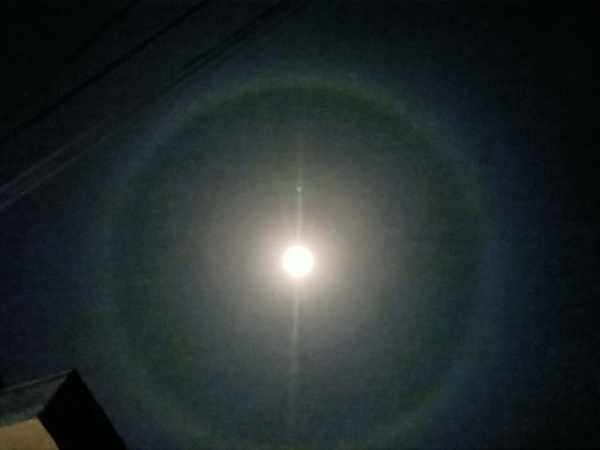
After a long time, we could see the lunar halo. I remember seeing many myself as a child. But due to the fact that life is becoming saturated, and cities do not sleep until late, this natural phenomenon has become rare.
We even managed to spot a moon rainbow, but were not lucky enough to capture it on camera. But I can assure you that it was a sight not to be missed!
It’s not every day you see a stunning night sky like this. The children were delighted with their discovery. For those obsessed with magical tales, it was like real magic happening right before their eyes.
This spectacle, also called the 22° halo, gave space enthusiasts, science enthusiasts and inquisitive minds an amazing opportunity to study the phenomenon. What was more intriguing was that the halo looked a little different for each person. Very similar to a private personal halo!
But what causes this amazing phenomenon? Does “Ringing around the moon foretells rain” have folklore under it? Let’s explore the moon science behind this natural phenomenon for kids.
Before that, here’s something for little astronauts – a personal e-book about space.
Well, what! There is some truth in folklore. But before we get to that, let’s understand how this halo is formed.
A lunar halo is formed when moonlight, which is actually sunlight reflecting off the moon, is refracted by ice crystals present in the atmosphere. Now these ice crystals are present in clouds at high altitudes, cirrus clouds. These thin cirrus clouds have millions of ice crystals due to their height, which refract the moonlight at an angle of 22°, creating a beautiful halo around the moon.
For the Halo to be visible, these millions of ice crystals must be aligned in the correct position to refract the moonlight towards your eyes. Mysterious and brilliant, isn’t it?
But that’s not all! Each of us can see our own personal or shall we say private halo because you can only see light refracted from crystals aligned according to your position. This means that each position offers a slightly different view of the Halo.
Now that we understand how the Halo is formed, what do you think of the old folklore that associates the Halo with rainy weather? good! Halos do form due to the presence of clouds, but cirrus clouds do not cause rain.
But yes, cirrus clouds do precede rain clouds in many cases. No wonder it rained before and after we spotted our Moon halo.
Check out our e-book to learn more about other cloud types.
Source: How Does the Moon Get its Halo? Moon Science for Kids