
🚚 FREE DELIVERY IN UKRAINE • 📞 QUICK ORDER: +380 63 571 3650 • 📚 STEM KITS FOR HOME, SCHOOL AND CLUBS
🚚 FREE DELIVERY IN UKRAINE • 📞 QUICK ORDER: +380 63 571 3650 • 📚 STEM KITS FOR HOME, SCHOOL AND CLUBS
🚚 FREE DELIVERY IN UKRAINE • 📞 QUICK ORDER: +380 63 571 3650 • 📚 STEM KITS FOR HOME, SCHOOL AND CLUBS

How and When Do Animals Sleep?
Nothing is more invigorating than a good night's sleep. But have you ever wondered if animals really sleep? Are they too,
Nothing is more invigorating than a good night’s sleep. But have you ever wondered if animals really sleep?
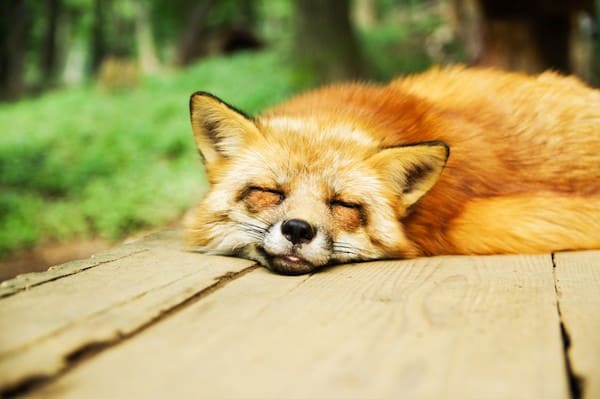
Do they, like us, need an all-nighter? Or are they evolutionarily designed to live without sleep all the time?
Do animals need sleep?
All animals need sleep. No animal can live long without sleep. Sleep is an evolutionary mechanism for restoring and recharging the brain and body.
However, the sleep patterns of animals are largely influenced by defense mechanisms and the availability of food. Animals that face the danger of predators tend to sleep less than those that are protected from predators.
Likewise, animals that eat a low-calorie diet and are larger in size sleep less to spend more time eating and compensating for their energy needs. Two interesting conclusions can be drawn from these facts:
- On a general level, large herbivores sleep less than smaller herbivores.
- Carnivores sleep more than herbivores because they don’t face predators and their food is high in calories.
These two factors determine the sleep pattern and sleep duration of animals throughout the animal world.
Do everything. Do animals sleep at night?
No. Although all animals need sleep, not all animals sleep at night. Some animals sleep during the day and others at night. Animals that sleep during the day and stay awake at night are called nocturnal animals.
These animals are active at night and rest during the day. Animals that, like us, rest at night and are active during the day are called diurnal animals.
There is a reason why some animals are active during the day and some at night. Availability and competition for food, safety from predators, and temperature are among the factors that influence the daytime and nighttime sleep patterns of animals.
Quick Tip: Make up some animal, knock, knock jokes for the kids to get them interested in learning.
Evolution over time has helped animals find the right time of day to stay active and search for food while avoiding predators.
Lions are mostly like that. are inactive during daylight hours, making daytime suitable for herbivores to remain active and graze.
What is hibernation?
Some animals sleep longer, spanning months, to conserve energy and survive climate change. This long sleep is called hibernation.
You must have heard many stories about how a bear takes a long nap. That’s what hibernation really is – a long, deep sleep!
Many animals hibernate; some popular ones are desert snails, snakes, frogs, bats, hedgehogs, box turtles, and chipmunks.
Get your own animal hibernation and sleep patterns diary here:
How/when do different categories of animals sleep?
Different classes of animals sleep in different ways, although almost all sleep several times. times a day to meet their snooze requirements. This is influenced by their habitat, danger from predators, safety and of course food choices.
Mammals
Large herbivorous mammals such as buffaloes and elephants sleep for short, repeated periods during the night. This helps them avoid prey and use daylight hours to feed while their predators are mostly inactive.
Other smaller mammals, such as koala bears, sleep much longer, up to 18–20 hours a day. Carnivores such as deer and sheep sleep less than their predators and mostly live in herds or groups to increase their chances of survival because numbers are safe.
All these animals sleep several times during the night and do not take a long nap to avoid hunting.
On the other hand, monkeys have a special, longer sleep cycle, just like humans. Dolphins, which are aquatic mammals, sleep with one eye open while part of their brain is working.
Reptiles
Reptilians have interesting sleep patterns, just like humans, and are believed to dream like we do when we sleep.
Most reptiles, such as snakes, sleep lying still with their eyes open, while crocodiles and lizards sleep with one eye open, which is worth noting. security.
Impressed? Check out more interesting animal facts to confuse you!
Birds
Most birds sleep with one eye open to protect themselves from the danger of a predator. Another interesting feature of their sleep pattern is that only part of their brain is asleep at a time.
This increases their chances of survival and is another exceptional evolutionary trick to keep them alive.
Pisces
Fish sleep depends on the environment and the level of activity. Most fish sleep almost motionless near the bottom or surface of the water. On the other hand, sharks sleep while swimming slowly.
Insects
Insects sleep, lying idle. Since they have no eyelids, it appears that they sleep with their eyes open. Many insects curl up in a ball while resting and sleeping, while others simply remain motionless.
Do animals dream?
It is believed that many animals, such as cats and dogs, see dreams. Large dogs tend to have a longer sleep cycle than smaller dogs. Rats are known to dream while sleeping, as are reptiles.
Zebra finches, popular songbirds, are known to recite their songs while sleeping. All of these animals exhibit rapid eye movement (REM) during sleep, which is indicative of dreaming. Interesting facts about sleeping animals
Facts about animal sleep
1. Large hairy armadillos sleep up to 21 hours a day, which makes them one of the sleepiest animals.
2. Brown bats sleep upside down and spend almost 20 hours a day sleeping.
3. Pocket mice, small light rodents, doze most of the day, spending up to 20 hours sleeping.
4. North American opossums and pythons spend almost 18 hours sleeping every day.
5. Pets like dogs and cats sleep half the day.
6. Lions nap for about 18-20 hours.
7. Elephants and giraffes sleep the least – only about 2 hours every day.
8. Tigers can sleep up to 16 hours a day.
9. A chimpanzee, a squirrel, a monkey and a baboon sleep almost 10 hours every day.
10. Cows and sheep are light sleepers, sleeping only up to 4 hours a day.
11. Rabbits, chinchillas, and ferrets are crepuscular, that is, they sleep both during the day and at night, and are most active at dusk.
12. Walruses can sleep both on land and in water. During hydrosleeping, they stay afloat by inflating air sacs inside their bodies.
13. Guinea baboons sleep on treetops and on their heels so they can escape quickly if danger approaches.
14. When sleeping, male malachite sunbirds inflate their bright yellow chest tufts, giving the impression of large eyes to a potential predator, thus scaring them away.
15. Swifts, songbirds, seabirds and waders can sleep in flight.
Animals that sleep with their eyes open
Many animals such as fish, insects and reptiles such as snakes do not have eyelids. So how do they sleep in that case?
Well! They sleep with their eyes open! It’s hard to tell if these animals are sleeping just by looking at their eyes. So look for other clues like activity level and position instead.
1. Snakes lie still when they sleep. In addition, they have a thin film called “Goggles” that goes over their eyes while they sleep.
2. Honey bees sleep lying motionless and often fall on their side. Their eyes remain open as they have no eyelids.
3. South American sea lions sleep like dolphins with one eye open.
4. Blackbirds sleep with one eye open to watch out for danger.
5. Penguins sleep standing with one eye open.
6. Fruit bats sleep with one eye open, and part of their brain works like whales and dolphins. This makes them unique as non-marine mammals that exhibit unihemispheric sleep.
7. Fish sleep with their eyes open because they have no eyelids.
Funny ways animals sleep
1. Ducks often sleep on the water with one eye open to watch for predators.
2. Sea otters float on their backs when they sleep and wrap themselves in seaweed to keep them from floating away.
3. The albatross sleeps during the flight.
4. Whales and dolphins sleep awake to protect themselves from predators and prevent drowning. This way of dozing is called unihemispheric sleep, which means sleep with part of the brain awake.
5. Horses and Giraffe doze standing up.
6. Bats and sloths sleep upside down.
7. Gorillas build nests for sleeping.
8. Flamingos sleep, balancing on one leg.
9. Many large mammals like cows, horses and zebras can sleep standing up.
10. Some snails can sleep (hibernate or hibernate) for up to 3 years before waking up for a walk.
Whichever ways animals choose to sleep, one thing’s for sure: they’re well-equipped to handle nap time, and they look adorably cute while sleeping.
Source: How and When Do Animals Sleep?