
🚚 FREE DELIVERY IN UKRAINE • 📞 QUICK ORDER: +380 63 571 3650 • 📚 STEM KITS FOR HOME, SCHOOL AND CLUBS
🚚 FREE DELIVERY IN UKRAINE • 📞 QUICK ORDER: +380 63 571 3650 • 📚 STEM KITS FOR HOME, SCHOOL AND CLUBS
🚚 FREE DELIVERY IN UKRAINE • 📞 QUICK ORDER: +380 63 571 3650 • 📚 STEM KITS FOR HOME, SCHOOL AND CLUBS

42 Best Winter STEM Activities For Kids
Winter is here and it's the perfect time of year to dive deep into outdoor activities, and what could be better than
Now is the winter season, the perfect time of year to take a deep dive into indoor entertainment. What could be better than enjoying fun winter STEM activities with the kids!
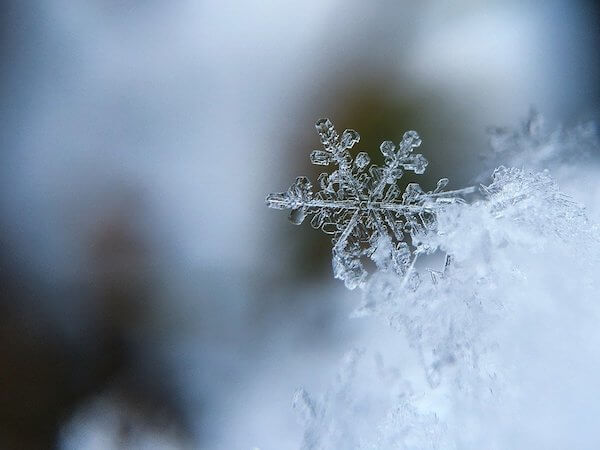
These cool, hands-on 42 winter STEM activities for kids will help make the most of the winter season so your kids don’t complain about the shorter days and less sunlight.
- What is the cause of winter?
- Winter Scientific classes
- Technological winter classes
- Winter engineering classes
- Winter classes in mathematics
- Cool facts about winter for children
Check out our video on winter crafts
STEM stands for Science, Technology, Engineering and Mathematics. This is a great way to make learning fun and hands-on for kids. But before we dive into winter STEM experiments and activities, let’s take a quick look at the science behind this beautiful, clear season.
What causes winter?
Although it is commonly believed that the seasons are a result of the elliptical orbit of the Earth, this is not actually the case. The reason for the seasons is the tilt or tilt of the earth. Inclination is the angle at which the axis of rotation of the Earth is tilted relative to the plane of the Earth’s orbit.
This tilt causes one hemisphere to receive more sunlight (and therefore heat) than the other hemisphere at any given time. Thus, the seasons result.
Over the past million years, the tilt has varied from 22.1 degrees to 24.5 degrees. Currently, the Earth’s tilt is between the two extreme values of approximately 22.5 degrees.
Quick Tip: Add some fun with Winter Would You Rather Questions for Kids to get kids excited about learning.
Best winter STEM activities
Winter tide is our favorite time of year. Where we live, it starts to get a little cooler from mid-November, and by the time of the winter solstice, the season is well established. To celebrate this wonderful season, we’ve compiled a list of 42 of the best winter STEM activities for kids.
To facilitate the study of these types of activities, we have further classified them by STEM fields.
Winter scientific activities for children
These winter science experiments for kids will delight your kids and make winter even more fun! Make the most of the shorter days by adding these simple winter STEM activities to your child’s curriculum or winter themed unit.
1. Ice lanterns
This is a dreamy indoor STEM activity that your kids will love creating. A great hands-on lesson on states of matter, this easy winter STEM activity includes art and engineering elements to make it the perfect winter STEAM activity for kindergarteners.
2. Crush the bottle
This is a really cool winter science experiment that you should try with your kids. Older children can practically do it themselves.
Regardless of age, this experiment is sure to captivate all children.
What you will need:
- Plastic bottle/empty can
- Ice bucket/Dish
- Hot water
- Ice
How to do it:
Step 1: Fill the container with ice.
Step 2: Pour hot water into the plastic bottle until it is one-third full.
Step 3: Cap the bottle and shake it gently.
Step 4: Now place the bottle in the ice bucket.
You will magically watch the bottle crush itself! Impressive right? Well… there’s cool science at work here – the same principle that makes the wind blow.
Warm air expands, and cold air contracts. When you add hot water to a bottle, the air inside the bottle heats up and expands.
If you place the same bottle in an ice bucket, the air inside the bottle becomes cold and compressed.
In this way, a low pressure is created in the bottle. Since the pressure outside is greater than the pressure inside, the bottle is crushed.
It’s so much fun! Science jokes and puns are even more interesting!
3. Fishing under the ice
Do you have a child who is crazy about fishing? Then this science activity will totally amaze your child!
This fun STEM science experiment will help your kids learn fun science concepts in no time. It is very popular with kindergarteners and older children.
- You will need:
- Ice
- Flat dish/plate
- Water
- Salt
- Twine
Step 1: Spread the ice on a plate and add some water.
Step 2: Put the ice cube you want to catch on the twine.
Step 3: Sprinkle a pinch of salt on the ice cube where it touches the twine.
Step 4: Wait a minute, then gently pull the twine to catch the ice!
Remember, we told you that salt lowers the freezing point of ice. That’s exactly what happens here when you add salt to ice.
But since the ambient temperature is really low (near freezing), the ice that has melted near the twine refreezes. But this time together with twine!
The amount of salt you add and the length of time the twine is infused really play a role here. Too much salt will melt much more ice than necessary, and too little will melt the ice.
In the same way, you need to be perfect in the pull-up. If you pull too soon, you will lose ice from refreezing around the twine. So the key here is patience and a little practice.
Quick Tip: Try these fun winter activities for kids with free printables.
4. Find the warmest room
With the colder months approaching, we all look for the warmest corner in the house. Turn this search into a fun science activity.
Start a quick discussion with your kids about which room or corner is the warmest, then structure this super easy STEM exploration. We played a game where the children wrote their hypotheses and compared them to their conclusions, just like a detective!
Ask your child which room he thinks is the warmest. Let them guess and write it down before starting the experiment.
You will need:
- Banks
- Glasses
- Ice cubes
Step 1: Take as many identical jars as there are rooms you want to test.
Example: If you have three rooms and you want to know which one is the warmest, you will need three cans.
Step 2: Fill the jars with the calculated number of ice cubes to the top and place them in different rooms. Make sure to add the same amount of ice cubes to each jar.
Step 3: Set the timer for 30 minutes and after the set time check to see if the amount of ice in the jars has melted.
Step 4: Pour the melted water from the jar into different beakers or glasses to compare which room has the most ice melt.
Now can you guess which room is the warmest? Does this match your guess?
Related: Check out Science Trivia for Kids for a fun quiz.
5. Experiment with winter habitat
We love this simple experiment because of its current relevance and how it aligns with SDG 15. These simple winter STEM activities are great for learning at home, in the classroom or outside of school.
The SDGs are sustainable development goals developed by the UNDP to protect the planet and ensure human development.
It’s also a great outdoor STEM activity to teach kids about different habitats and how human actions threaten those habitats and the animals that live there.
What you will need:
- Plate
- Water
- Clay/animal figurines in the form of a seal or a bear
- A large plastic box
- Blue food coloring
How to do it:
Step 1: Pour water on a plate and place it in the freezer to make a sheet of ice.
Step 2: Use the clay to make a seal or a polar bear if you don’t have their animal figurines.
Step 3: Remove the sheet of ice from the plate by pouring warm water on the back of the plate. This will be your sea ice.
Step 4. Fill the plastic box halfway with water. Add blue food coloring to make it look like sea water.
Step 5: Place the ice plate in the plastic box.
Step 6: Place your animals (we used a penguin) on the ice plate.
Step 7: Take the assembly and place it outdoors in a sunny location.
You will watch as time passes, the ice sheet will begin to disappear. melt gradually. Thus, the territory (habitat) of your animal decreases.
This is exactly what happens at the poles. Polar ice is gradually melting due to global warming, thus destroying the habitat of seals, polar bears and other polar animals.
As your children understand how global warming is affecting the polar habitat, discuss with them how they can reduce their carbon footprint and save animals!
6. Snowstorm in a Jar
This is one of the classic science experiments for kids! Make a snowstorm right in your own home with simple, easy-to-find materials.
What you will need:
- baby oil
- water
- white paint
- effervescent tablets
- can or bottle
How to do it:
Step 1: Fill the jar a third full with water mixed with white paint.
Step 2: Add baby oil to the jar until it is almost full.
Step 3: To start a snowstorm, drop an effervescent pill into the jar.
What happens here is that the effervescent tablet reacts with water, releasing carbon dioxide.
This gas comes out in the form of bubbles and rises to the surface, carrying white paint with it! Thus, the effect of a snow storm is created!
It is important to note that this is one part of this scientific experiment. This easy science experiment relies heavily on solubility and insolubility to make it work. Another factor is the density of liquids.
7. Make fake snow
Winter definitely feels like snow, whether it snows where you live or not! And this is the source of inspiration for this fun science activity. Make fake snow and get ready to play snowballs.
Sculpt it into different shapes or make snow sculptures to turn this fun activity into a winter STEM engineering challenge for kids.
Related: Also check out fun preschool science activities to instill scientific savvy from an early age.
8. Snowflake crystals
A great lesson on solubility and saturation, this easy science puzzle for kids about snowflakes is pure magic and the perfect addition to winter themes. With readily available materials, your kids will be able to make their own snowflake crystals at home.
Make some crystals for Christmas to use as homemade decorations on the Christmas tree.
Related: See also fun ideas at Easy Christmas Crafts for Kids.
9. Make frosting
Nothing is better than making frosting at home! This is one type of STEM activity that is sure to excite children of all ages.
It’s easy to do, all you need is a little patience and the following supplies:
- Salt
- Ice
- Glass jar
- Water
Step 1: Crush ice and fill a glass jar three-quarters full with crushed ice. You can use ice cubes, but crushed ice works best.
Step 2: Add a thick layer of salt, one or two inches thick, to the crushed ice.
Step 3: Pour some water (2-4 tablespoons should be fine) over the ice.
Step 4: This is the tricky part. You need to wait 2-3 minutes for frost to form. Sometimes you will see a nice thick layer of frost forming.
The science behind this cool science experiment for kids is pretty simple. Salt lowers the freezing point of ice. Thus, the ice melts.
This melting of the ice along with the salt and water creates a super-cold temperature, which is actually below freezing, inside the jar along the surface.
Now, when the moisture in the air comes into contact with the can, it condenses on its outer surface. The supercooled surface freezes this moisture to form frost!
10. Exploding snowman
Winter can be a bit dreary with coolness and limited daylight. But here’s a cool outdoor winter STEM activity that’ll beat the boredom in no time.
What you will need:
- zippered bag
- black and red markers
- flimsy
- vinegar
- baking soda
Step 1: Use felt-tip pens to make a nice snowman on the zipper bag.
Step 2. Take a tissue paper and pack 1-2 tablespoons of baking soda in it.
Step 3: Carefully place the tissue paper in a ziplock bag. Close the bag, leaving an inch or two open at one end, and place it on the ground outside.
Step 4: Add 4-5 tablespoons of vinegar to a ziplock bag and quickly seal it.
Stand back and watch the snowman explode! The trick to the explosion is to quickly reseal the ziplock bag after adding the vinegar.
Related: Check out these Christmas-inspired questions for kids and families!
11. Snow Slime
Add some silly science fun to your winter activities with this super fluffy snow slime. Great for kneading, stretching and pulling, this slime is a great tool for motor development.
Related: Also try your hand at Oobleck. It’s quick, easy, and can be made with just 2 common pantry ingredients. Hours of fun and excitement are guaranteed!
12. Make chalk out of ice
Winter doesn’t have to be a season of restrictions. Make the most of the winter sun and unleash the artist in your child by letting them paint on the sidewalk with ice crayons.
Your kids won’t complain about spending half a day alone and giving you that precious time to yourself. Here is a simple recipe that you can try. In addition, it does not leave stains.
Technologies Winter activities
Winter can be exhausting and limiting! But don’t let the snowy season cause cabin fever. Excite and stimulate your kids with these winter tech fun.
These fun winter activities will keep your kids entertained and grumbling away while they learn to use technology and improve their tech skills.
Related: For kids who learn best through games, here are some of the best tech games!
13. Make a snowman
This is a great app to make a snowman! What’s even better is that you can also customize the background.
Your kids will love creating their own versions of a snowman using the various tools this app offers.
14. Map It Out
This is a great STEM technology activity for kids who are starting to understand maps. Let your kids use Google Maps to discover cold regions with terrain mode.
Write down mountain ranges, snowy peaks and frozen lakes and let your kids explore them on Google Maps.
15. Winter collage
Another great technology-inspired STEM activity is making a collage. Only this time, your kids can use technology to create a winter collage.
Use apps like PicsCollage to create the perfect picture collage.
16. Learn to code
Put your indoor time to good use by learning to code. There are many coding websites that offer free (and paid) coding programs to help kids of all ages learn to code.
Winter engineering classes
Let your little engineers try their hand and put their ideas to the test with these fun engineering STEM activities that are just right for winter.
These hands-on winter activities are perfect for preschoolers, kindergarteners, and older kids. they are happy to study indoors. Most of them use common supplies you probably already have in your pantry and are super easy to set up.
17. Build a winter bear cave
Winter is the time when bears go into their long winter sleep, called hibernation. Invite your kids to act as foresters and build perfect bears’ winter hibernation caves.
What you will need:
- Marshmallow
- Toothpicks
This STEM challenge is truly open-ended. Use toothpicks and marshmallows to make dome-shaped caves. The key to proper form and balance.
This engineering activity works wonders for motor skills and creativity. And when your child builds the perfect winter cave, don’t forget to add a sleeping bear.
Quick Tip: Throw in some teacher jokes to add humor and improve learning!
18. Ice Tower STEM Challenge
This hands-on STEM activity is sure to delight kids who love to build and play with Lego.
But this time, instead of store-bought tiles or blocks, their building material will be ice.
You will need lots of ice cubes, latex gloves and salt! We think two trays should be enough.
We recommend using latex gloves to prevent excessive frostbite on your hands, but this is a personal matter.
The challenge is to build an ice tower, and the trick behind sticking the ice cubes together is salt. Remember that we mentioned above how salt lowers the freezing point of ice.
Adding just a pinch of salt will temporarily melt the ice before it refreezes, joining the cubes in the process.
19. Create a thermal container
Thermoware is something that does not transmit heat. Most of us use them in the form of a thermal flask or a pot with thermos.
Thermos has certainly made the cold season more enjoyable, and now it’s time to understand the science behind it.
What you will need:
- Napkin
- Aluminum foil
- Bubble film
- 4 bottles/cans
- Thermometer
- Hot water
How to do it:
Step 1: Set the first jar aside. This will be your control group.
Step 2: Wrap the second jar with a napkin. Secure the napkin with a pin so that the napkin does not fall.
Step 3: Wrap the third jar in aluminum/tin foil.
Step 4: Cover the last jar with bubble wrap. Now your three jars for the experimental group are ready.
Step 5: Pour hot water into all the jars of the experimental group as well as the control group.
Step 4: Set aside all four bottles for 15-20 minutes.
Step 5: Use a thermometer to check the temperature of the water in all four bottles. Which one kept the water the warmest?
Bottles in the experimental group had a layer of insulation to prevent heat from escaping the bottle.
This is the reason why the water in the insulated bottles was warmer than the water in the bottle in the control group, which had no insulation.
Once your kids understand how thermal products work, try putting different insulation materials and see which combination works. best.
Now, finally, ask your children if they understand how sweaters and jackets protect them from the cold. We’re sure your little scientist would have an impressive explanation.
20. Ice magnifying glass
Yes! You read that right – an icy magnifying glass! This cool activity for young minds is perfect for winter.
A great hands-on way to learn about light and optics, any aspiring engineer should try this.
21. Snowflakes-toothpicks
Engineered snowflakes with toothpicks and marshmallows. Let your kids use their imagination and create snowflakes with different patterns.
This is such a fun winter STEM activity to do at home on a cold day! These toothpick-based marshmallow snowflakes are great for fine motor skills and provide a hands-on symmetry lesson.
All you need is the humble toothpick and some marshmallows (or clay white balls).
Want to see what else you can do with toothpicks? We’ve got a great list of toothpick activities to keep your kids entertained with this wonderful, easy-to-use item.
22. Solar oven
Who said solar ovens are only for hot summer days? We think they’re perfect for winter too! Make the most of the sun on cold days with a solar oven.
Challenge your kids to make a solar oven to awaken their inner engineer. The perfect STEM school project for kids, this project will keep them busy forever.
23. Apple Stacking Challenge
The winter tide is apple season with a fresh autumn harvest. Put this favorite fruit to good use with this STEM activity for kids.
And as the name suggests, the challenge is to stack ten or more apples. Whoever gets the highest apple tower wins. As easy as it sounds, the apple tower starts to wobble when you count 6 or more apples. And that’s when the fun begins!
Have your kids put on their thinking hats and come up with a plan to balance the apples. They can use any common material other than standard adhesives like tape.
We’ve found adhesives and even our all-time favorite toothpicks are great for bonding. What will be your favorite connectors?
24. Build a sled
No list of STEM engineering exercises would be complete without the challenge of making your own sled.
This is one of the exercises that will test your child’s construction skills and ignite his creative potential.
25. Snowflakes from Lego
Lego snowflakes are a great activity for kids of all ages. You don’t need any separate Lego set for this, just white (or blue) bricks.
This STEM challenge works wonders for developing creativity, problem solving and concentration skills.
Quick Tip: Make this paper bag snowflake craft. This is the perfect winter STEAM activity!
26. Mold an upside-down snowman
Making a snowman is not as easy as it might seem. This requires a bit of engineering knowledge and an understanding of balance and center of mass.
Challenge your kids to this super fun engineering challenge by asking them to build an upside down snowman.
And don’t worry if you don’t live where there is no snow! Just use the artificial snow recipe and you’re all set.
27. The snowman stretches
This extremely complex job requires only plain paper and tape. The idea is to build the tallest snowman using only these two materials.
This is a great STEM activity that promotes creativity and hands-on learning in the classroom or at home.
28. Do-it-yourself thermometer
Turn your kids into little meteorologists and let them monitor and record the daily temperature in your city. This engineering activity is a great STEM school project for kids.
29. Snowball Launcher
What fun it is to make a snow globe that you can play with indoors without real snow.
This hands-on popsicle stick catapult can be made using several materials and is great for engineering and motor skills.
Winter math classes
Make math fun with these fun, free winter-themed activities. for printing. Sure to enhance the learning experience, these simple exercises will provide a number game.
This will become your child’s favorite way to learn numbers.
30. Patterns with snowballs
This math exercise is aimed at teaching young children about patterns. Pattern recognition is an important concept in data science, and it is extremely important that children are exposed to patterns early on.
All you need are colored pompoms, which in this case act as snowballs. Ask your kids to create patterns with these snowballs.
They can start with simple patterns like ABABAB and then progress to more complex ones. For added flair, create a pattern and have your child identify it!
Quick tip: Check out Fun Math Games for Classroom and Home Learning to gamify math.
31. Snowball Place Value
Are you wondering how to teach your child the meaning of place in a fun and playful way? Here’s a cool idea. Extremely easy to set up, it requires few consumables and promises a lot of fun.
What you will need:
- cotton balls
- blue and white pastel sheet
- marker
Step 1: Cut 20-30 circles (about 4 cm in diameter) from a sheet of white paper.
Step 2 : Using a marker, write individual numbers ranging from 10 to 40 on the white circles.
Step 3 : Cut two large rectangles from the blue sheet.
Step 4 : Label one rectangle T to represent the tens and the other O to represent the ones.
How to play:
Lay out the blue tens and ones cards on the floor. Place the number circles next to the tray of cotton balls. Ask the child to draw a circle from a stack of numbers.
Depending on the number drawn, have your child choose the cotton balls that match the number on the tens and place them on the tens mat.
Repeat the same for the units digits. This fun winter math game will have your child practicing and learning place values quickly.
32. Shovel The Snow
This game is perfect for snowy weather or math pretend play.
With little supplies, you can set up this game in 5 minutes and help your kids practice subtraction. All you need for this game are cotton balls and a cube.
How to play:
The goal of the game is to rake the snow as quickly as possible and get rid of all your snowballs. Start the game by giving your children 20 snowballs (cotton balls).
Take turns rolling the dice. Subtract the number on the cube from the snowballs. The first player to get rid of all the snowballs wins the game.
Quick tip: Make this fun Christmas gift basket with the kids to sneak in some math while you create!
33. Make a winter wonderland with shapes
This is a fun winter math exercise that encourages children to see shapes in nature and recreate them with their imagination. All you need for this craft are pastel sheets in different colors, scissors and glue.
How to do it:
Step 1: Cut different shapes like triangles, circles, squares in different colors from the pastel sheets.
Step 2: Have your child use these shapes to create a winter landscape. Similar triangles can be used to create trees, circles for snowmen, squares and containers for deer, and so on. Imagination is the key.
Related: Explore a range of math activities for kids to make math practical!
34. Valentine Heart of Mobius
Try this Valentine-inspired Möbius strip activity with your kids. It’s a great way to introduce kids to the magic of geometry and topology. And best of all, it is very simple and easy to do.
This is a fun winter math activity for kindergarteners and older kids that will warm kids up to math.
35. Snowflake Math Addition & Subtraction
Another great math game to practice operations with kids. This game is easy to play.
It uses dominoes, but if you don’t have dominoes, don’t worry. Use one or two dice (depending on your skill level) and change the numbers on the snowflakes accordingly.
Related: Also check out these 10-minute number games to develop mental math and early counting skills in a fun way.
36. Snowflake symmetry
This is a great success for all children as it allows them to channel their inner creativity and practice scissor skills.
Cutting perfect symmetrical paper snowflakes can be a challenge if you don’t know the right paper folding trick.
But when your kids see it, they’ll not only be impressed, but eager to try their hand at it.
Related: Make your kindergarten education fun with Kindergarten Math Games.
37. Wintertide Pattern Blocks
We cannot stress enough the importance of patterns in developing strong math skills.
Here is one activity that is specifically designed for younger children and is a great addition to your kindergarten and preschool math activities.
38. Number Ice Fishing
We love this frozen ice-inspired number game for kids. Use a fun approach to teaching numbers to your preschooler and kindergartner.
What we love most about this class is that there are so many ways to explore interesting things.
Related: Make math fun by adding a little humor with Math Jokes for Kids.
39. Snowball Operations
A great winter math game for young children to burn off their energy while learning about addition and subtraction. There are many benefits associated with learning through movement – for one, it lasts longer and creates better neural connections.
40. Through the Snowstorm
Are there older children who are just starting to multiply? This winter fun printable for first graders and up is perfect for getting started.
How to play:
you have to go through a snow storm to get to the cottage safely. Roll the dice and multiply by the number you are practicing multiplication with.
Be careful though, if you land on snow you will freeze your move!
With all the STEM activities for kids, we are sure that you and your child will never have a dull or boring moment.
If you want to take a break from classes and just curl up under a blanket with a cup of hot coconut and tea, a book.
Combine these fun science experiments with fun fun facts for kids to make learning fun and interesting
41. Geoboard Snowflake
The Geoboard is a great math manipulative and works well with children of all ages up to 12 years old.
This special challenge challenges children to build perfectly symmetrical snowflakes on the geoboard. It’s a great way to unleash creativity and develop math acumen.
42. Card games
These card games are great for learning math and making counting fun. In addition, they are an easy way to entertain children who are locked in the house during the cold season.
You’d be surprised how many math games you can play with just a plain old deck of cards.
These mathematical card games, which are great for dispelling boredom on winter days, are a huge hit with children.
43. Frozen Inspired Winter Math Game
You just can’t go wrong with this one, especially if you have a frozen fan at home.
This simple winter math game is great for developing numeracy skills like number recognition and simple addition/multiplication. You just need to adjust the number cards.
Cool facts about winter for children
Children simply adore interesting facts! Just insert a few during everyday conversations or with STEM to stimulate their gray matter.
1. The word winter comes from the proto-Germanic word “Wentruz”, which means wet.
2. The winter solstice is the shortest day of the year.
3. Snowflakes always have the shape of a hexagon.
4. No two snowflakes are alike.
5. It may take up to an hour for a snowflake to fall from a cloud to the ground.
6. Plants stop growing in winter.
7. Snow is about 90% air.
8. In winter, the Sun does not rise at the poles.
9. The most snowy city in the world is the Japanese city of Aomori.
10. It gets so cold in Siberia that the breath turns into ice in the air!
11. Winters on Uranus last 21 years.
12. Uranus is the coldest planet in the Solar System with a minimum temperature of minus 224 degrees Celsius.
13. The Earth is closest to the Sun between January 3 and 5, when it is winter in the northern hemisphere.
14. Many animals, such as the fox, change the color of their fur during the winter.
15. The snow is actually transparent, not white! The signature white color of the snow is due to the reflection of light.
16. The lowest temperature (-89.2 °C / -128.6 °F) was recorded at the Vostok station in Antarctica in 1983.
17. Disney’s Frozen holds the record for the highest-grossing animated musical.
Have fun!